
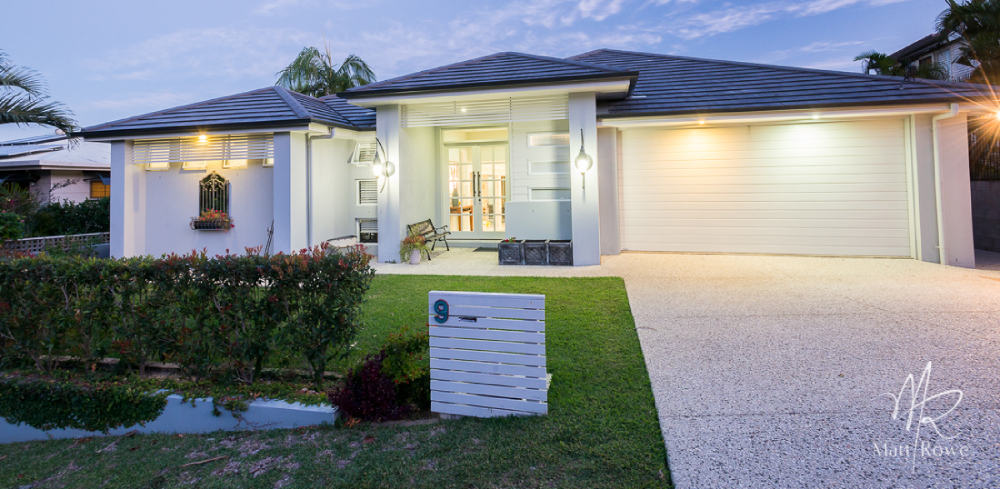
Though your house may look and feel good to you, it won’t necessarily to others, regardless of what your friends tell you. Here’s 10 of the most common blunders people make when presenting their home for the market.
Sometimes it’s the details that let you down, other times, it’s so obvious you simply can’t see it yourself.
Remember it’s essential to appeal to the widest possible cross-section of your target market, and don’t fall into these simple, very common traps.
1. No house number 
This seems like such a minor detail, but it’s essential! Not only should you make sure you have a house number, it should be easily visible, in good repair and in keeping with the feel of the home.
The last thing you want is a buyer’s experience of your property starting in frustration because they were unable to locate it.
2. Pet smells
Research tells us that one of the biggest factors that impact negatively on a potential buyer are pet smells and mess. Many property owners do work very hard on removing all smells and evidence of furry friends, however it is difficult to completely eradicate when you are accustomed to the smell on a daily basis. Ideally you need to get a friend who does not own pets to inspect your property and be brutally honest with you
3. Too much furniture
It is essential to remember that when a home is open for inspection, in many case there are multiple parties viewing the property at any one time.Too much furniture will make a room feel smaller than it is. Space furniture out, and remove it temporarily if you have to. Allow for lots of foot traffic, good flow through the house for potential buyers, and walk common paths to check for obstacles.
 4. Polarising linen
In a bedroom, the bed is generally the largest piece of furniture and the focal point of the space. Hence the linen and the dressing of the bed can have a huge impact on the way people feel about that room. Dress your beds with crisp clean white linen and perhaps a throw to add a touch of luxury. Always ensure the beds are made well.
5. Heavy window coverings
Heavy window coverage can turn buyers off. Leaving heavy window coverings in place can make a room feel dark and cluttered. I often see older homes with multiple heavy drapes that contribute directly to making the room feel small, dark and cold. In these cases they have to go, if the window condition and outlook permits. Getting the balance right between privacy, style, mood and light is important.
6. Cleanliness
Another huge mistake by sellers is assuming that the buyers can look past an unswept floor or dirty bathroom. When the mess and dirt is not their own, many buyers find it to be an extreme turn-off. Remember you’re used to the way your property looks, but others will be seeing it for the very first time. You may have long since stopped seeing how much dirt is around. Get someone other than yourself to give it a once over. I recommend brilliant cleaners that get your home sparkling so its easy to keep on top of during our inspections. An unclean home will cost you substantial amount of money.
7. Selling a house empty
Empty rooms appear smaller and are uninviting to the potential buyer. The only thing you want to leave for the buyer to imagine is themselves in the home. Take control over how your property is viewed and perceived and add thought starters to help buyers see themselves there, living the life they want. Units which I have sold, and the owners have paid to have styled, have achieved over $15,000 more due to styling than when they were empty. Crazy but true.
 8. Over-decluttering
There is a fine line between a well staged home and a home that has been decluttered to the point of being vast and empty. Once the line has been crossed, the space is no longer inviting and appealing, instead it is cold and sterile. We’re all working so hard to declutter, that sometimes we can take it too far. Again, get a hand from someone who can cast an objective eye. You want your property to portray an ideal lifestyle that a buyer aspires to, and that includes a bit of heart and soul. The rule of thumb is to clear bathroom benches and kitchen work tops from all clutter.
9. Roadside collections and rubbish runs
Roadside collections are a wonderful service and really come in handy when you are cleaning up and preparing your property for sale, however it is essential that the roadside collection period does not overlap in any way with the property going on the market. The last thing potential buyers should have to see or navigate is mountains of rubbish on your footpath or near to your property. Organise it well clear of inspections and manage rubbish disposal so the smell or sight never hits a newcomer. This is exceptionally important. If you live in units or your bin has a bad smell, it would be wise to pay a wheelie bin cleaner company to clean your bins directly after they’ve been emptied. You may find your neighbours may be happy to chip in with this, as it is inexpensive and will cost you money of your sale price if they have a terrible odour, which let’s be honest , they do in our Aussie heat. It can cost as little as $5 per bin!
 10. Setting the table
Setting the table with a full dinner setting passes over that fine line of styled and goes into the overstaged look. It runs the risk of turning the buyer off and the table setting being the most memorable aspect of the property; certainly not what a successfully staged home wants! There are so many more subtle ways to create a welcoming and “lived in” feel. Potential buyers shouldn’t feel pressure to take their seats . An overly formal dining setting can look a bit ridiculous at an open house. However an informal dining room setting sets the scene to create a wonderful stylish relaxed feel. I like to set it up for breakfast, with some orange juice and bread roll and cheeses etc. They can remain on a platter and be used weekly during open homes – remember they are there to stage not to eat!


