No Comments

10 common home presentation mistakes

Though your house may look and feel good to you, it won’t necessarily to others, regardless of what your friends tell you. Here’s 10 of the most common blunders people make when presenting their home for the market.

Sometimes it’s the details that let you down, other times, it’s so obvious you simply can’t see it yourself.

Remember it’s essential to appeal to the widest possible cross-section of your target market, and don’t fall into these simple, very common traps.

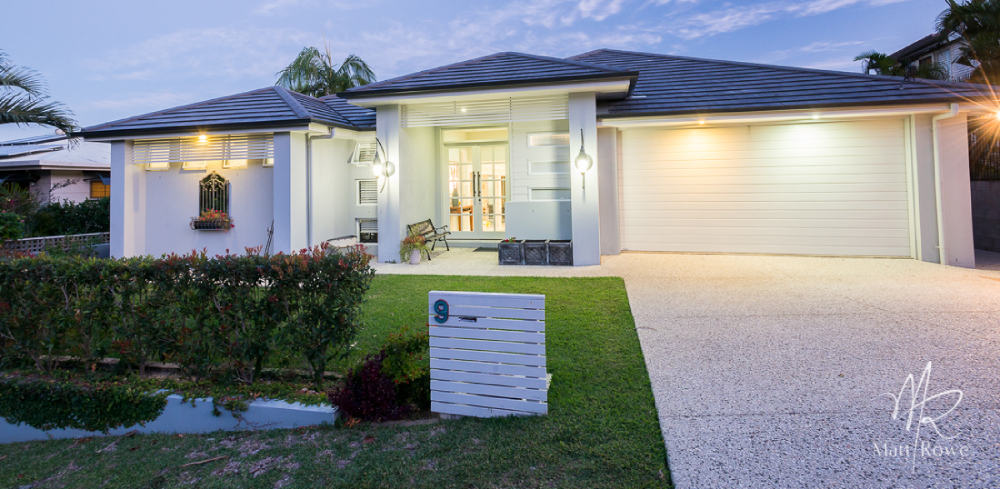
1. No house number  
This seems like such a minor detail, but it’s essential!  Not only should you make sure you have a house number, it should be easily visible, in good repair and in keeping with the feel of the home.

The last thing you want is a buyer’s experience of your property starting in frustration because they were unable to locate it.

2. Pet smells
Research tells us that one of the biggest factors that impact negatively on a potential buyer are pet smells and mess.  Many property owners do work very hard on removing all smells and evidence of furry friends, however it is difficult to completely eradicate when you are accustomed to the smell on a daily basis.  Ideally you need to get a friend who does not own pets to inspect your property and be brutally honest with you

3. Too much furniture
It is essential to remember that when a home is open for inspection, in many case there are multiple parties viewing the property at any one time.Too much furniture will make a room feel smaller than it is. Space furniture out, and remove it temporarily if you have to.  Allow for lots of foot traffic, good flow through the house for potential buyers, and walk common paths to check for obstacles.

4. Polarising linen
In a bedroom, the bed is generally the largest piece of furniture and the focal point of the space. Hence the linen and the dressing of the bed can have a huge impact on the way people feel about that room.  Dress your beds with crisp clean white linen and perhaps a throw to add a touch of luxury. Always ensure the beds are made well.

5. Heavy window coverings
Heavy window coverage can turn buyers off. Leaving heavy window coverings in place can make a room feel dark and cluttered.  I often see older homes with multiple heavy drapes that contribute directly to making the room feel small, dark and cold. In these cases they have to go, if the window condition and outlook permits.  Getting the balance right between privacy, style, mood and light is important.


6. Cleanliness
Another huge mistake by sellers is assuming that the buyers can look past an unswept floor or dirty bathroom.  When the mess and dirt is not their own, many buyers find it to be an extreme turn-off.  Remember you’re used to the way your property looks, but others will be seeing it for the very first time. You may have long since stopped seeing how much dirt is around. Get someone other than yourself to give it a once over.  I recommend brilliant cleaners that get your home sparkling so its easy to keep on top of during our inspections.  An unclean home will cost you substantial amount of money.

7. Selling a house empty
Empty rooms appear smaller and are uninviting to the potential buyer.  The only thing you want to leave for the buyer to imagine is themselves in the home. Take control over how your property is viewed and perceived and add thought starters to help buyers see themselves there, living the life they want.  Units which I have sold, and the owners have paid to have styled, have achieved over $15,000 more due to styling than when they were empty. Crazy but true.


8. Over-decluttering
There is a fine line between a well staged home and a home that has been decluttered to the point of being vast and empty.  Once the line has been crossed, the space is no longer inviting and appealing, instead it is cold and sterile.  We’re all working so hard to declutter, that sometimes we can take it too far. Again, get a hand from someone who can cast an objective eye.  You want your property to portray an ideal lifestyle that a buyer aspires to, and that includes a bit of heart and soul.  The rule of thumb is to clear bathroom benches and kitchen work tops from all clutter.

9. Roadside collections and rubbish runs
Roadside collections are a wonderful service and really come in handy when you are cleaning up and preparing your property for sale, however it is essential that the roadside collection period does not overlap in any way with the property going on the market.  The last thing potential buyers should have to see or navigate is mountains of rubbish on your footpath or near to your property.  Organise it well clear of inspections and manage rubbish disposal so the smell or sight never hits a newcomer.  This is exceptionally important.  If you live in units or your bin has a bad smell, it would be wise to pay a wheelie bin cleaner company to clean your bins directly after they’ve been emptied.  You may find your neighbours may be happy to chip in with this, as it is inexpensive and will cost you money of your sale price if they have a terrible odour, which let’s be honest , they do in our Aussie heat.  It can cost as little as $5 per bin!

10. Setting the table
Setting the table with a full dinner setting passes over that fine line of styled and goes into the overstaged look.  It runs the risk of turning the buyer off and the table setting being the most memorable aspect of the property; certainly not what a successfully staged home wants!  There are so many more subtle ways to create a welcoming and “lived in” feel. Potential buyers shouldn’t feel pressure to take their seats . An overly formal dining setting can look a bit ridiculous at an open house.  However an informal dining room setting sets the scene to create a wonderful stylish relaxed feel.  I like to set it up for breakfast, with some orange juice and bread roll and cheeses etc.  They can remain on a platter and be used weekly during open homes – remember they are there to stage not to eat!


No Comments

What is the “Fair Market Value” of my home?

WHAT IS THE “FAIR MARKET VALUE” OF MY HOME?

When selling our home we all want the best price possible, while the buyer is usually after the best deal they can get. 

However, in the end most houses sell for what I would call fair market value — the price a willing buyer will pay, and a keen seller will accept, given that neither the buyer or seller is under pressure to close the deal. 

Of course, sometimes buyers get a great deal and at other times they overpay.

In both instances this is usually because emotions come into play

Pressure, or motivation comes from life changes such as divorce, a sudden job transfer, difficulty meeting mortgage repayments or a death in the family can compel either the buyer or seller to act quickly.

But getting back to fair market value — the price you’re most likely to achieve; let’s get one thing clear…

It may not always be “fair” to you.

It may not be what you call “equitable” because fair market value is impartial, it takes no sides and it doesn’t care about what you need or what you want.


LET’S LOOK AT IT THIS WAY…

Suppose there are two identical homes next door to each other in the same street. Same Houses

One was purchased by Pat and Ken 20 years ago.

They paid $200,000 for their home and over time have slowly paid off their mortgage.

Their neighbours, James and Katie bought their home five years ago and paid $500,000 for it.

During the last few years the value of their property remained fairly static as James and Katie bought in a suburb where there was an abundance of new properties.


However, they have done some improvements to the home and even put a swimming pool in the backyard. 

Both couples now decide to put their homes on the market.

Because they are both very similar, almost identical houses — the same size, the same age, the same condition, the same location — other than the improvements James and Katie made, you’d expect they’d have similar fair market value.

Under the circumstances, the fact that James and Katie paid a lot more than Pat and Ken doesn’t really matter.

Even though they put a swimming pool in, this won’t necessarily increase the value of their home by the $50,000 they paid to have it installed.

In fact, some buyers won’t even be interested in looking at their house because they don’t want the extra maintenance that comes with an in ground pool.


So the fair market value of their home may be $5,000 to $15,000 more than Pat and Ken’s because of the pool, but in the eyes of many buyers it in fact won’t be worth any extra at all. Market Value Of The House

When both couples sell their homes, Pat and Ken will walk away with a pocket full of money because they’ve paid off their mortgage, allowing them to go off and buy their next home.

Whereas in the case of James and Katie, they’ll probably only have a little left over after repaying their mortgage because house values haven’t increased all that much since they bought their home.

So now you can see why we say that despite the term “fair market value”, it’s not always fair or equitable to you — it’s simply unbiased.

In today’s market, your house is worth what the current market deems it to be worth — not what it’s worth to you in ‘your’ opinion.


The value of your home is not related to: 

  1. How much you paid for it.
  2. How much you owe on your home mortgage.
  3. The renovations you have done to your home. It’s the things that you can’t easily change or enhance that add value to your property — things like north facing windows and sunshine all day or proximity to the beach or the water.
  4. How much you love your home.

Instead its value will depend on factors such as its location, the neighbourhood, its age and condition and the number of other comparable properties for sale.

A great way to determine the fair market value of your home is to get a comparable market analysis from Jenny McEvoy Real Estate on 0478663329 who is your local expert and who will compare your home to all the properties in the same neighbourhood as yours that sold in the past six or 12 months and that were approximately the same age, size and condition as your house.

This article first appeared on Homely.com.au and was reposted by Michael Yardney

No Comments

Body Corp Myths – Duplexes and other small unit complexes

“There Is No Body Corporate” and Other Myths About Duplexes

Out of a total of 42,948 different body corporates in Queensland 30,211 have fewer than six lots. That’s 70% of all strata schemes in Queensland.

And the vast majority of that 70% will be made up of duplexes, the humble two-lot dwellings that dominate our suburbs.

By now you may have already spotted the most common myth about duplexes: if the majority of body corporates are duplexes, ergo, duplexes have body corporates.

“But, my agent / the seller told me there was no body corporate” is a common cry heard all across Queensland when lots settle and the new owner actually gets to chatting with the neighbours.

Myth #1 There is no body corporate

It is true that not all duplexes have body corporates, and, if you bought a duplex it is possible that there is no body corporate.

But, it’s actually quite uncommon that someone buys a ‘duplex’.

A duplex is a pair of dwellings on one block of land. What most people actually buy is one half of a duplex.

It’s the process of strata titling that allows the two dwellings on the one block to be sold to separate owners. And, that process of strata titling is what creates the body corporate.

So, if you bought one half of a pair of duplexes there is most likely a body corporate.

Myth #2 The body corporate is not active

I’ve actually said this myself from time to time but it is incorrect. A body corporate is not like a house or a car, something that sits idle until someone chooses to use it.

Body corporates are entities, entities subject to some pretty expansive legislation.

Whether or not the lot owners choose to act on behalf of the entity, or comply with the legislation for that matter, doesn’t in any way impact the validity of the entity.

Meaning there’s no process of re-activation a body corporate needs to go through before the rules and regulations apply. They always apply.

There is no policing body for body corporates however, and the only people affected by it are its members, the lot owners. But, at any time, either lot owner can complain to the adjudicator and force compliance with regulations.

What we really mean when say the body corporate is “inactive” is that meetings are not held and levies are not issued.

Myth #3 There are no body corporate records

Duplexes are a grey area for me because of the many thousands of strata searches I’ve done only a handful have been of duplexes, and almost all of those were new.

Until recently duplexes were registered under either a small schemes or standard module regulation which requires developers to provide certain documents to the body corporate as part of the development process.

Consequently body corporate records do exist in the same format as every other body corporate.

In practice for most duplexes meetings are not held, levies are not issued and there are no bank accounts so the very idea there may have ever been records let alone a body corporate becomes somewhat of a, well, a myth.

Myth #4 Bummer, there is a body corporate

For a lot of people the idea that there might actually be a body corporate for their duplex is crushing.

But it really doesn’t need to be.

The whole point of body corporate legislation is to offer a framework within which people can invest and live together, because, you know, people!

If we could all just get along there would be no need for all that legislation.

Having a body corporate doesn’t need to be an issue for duplex lot owners. All that’s required is communication, a willingness to work together and the ability to pay your half of whatever expenditure comes up, which in most cases is half the insurance policy.

If the two lot owners can negotiate and resolve any issues between themselves, excellent, even if there’s no record of that.

For some people though, that’s a challenge, which is why there is legislation to help lot owners with poor investment partners.

photo and article credit: mybodycorpreport.com.au blog by Lisa 2014 – yagodiaz via photopin cc

No Comments

Interstate migration is on the move. But where??

INTERSTATE MIGRATION IS ON THE MOVE, BUT WHERE?

LatestProperty Investment,

Regional population and migration data for 2016-17 recently released by the Australian Bureau of Statistics tracks Australia’s internal migration trends.

CoreLogic Property Pulse, takes a deeper dive into the latest results.Migration

Note: For this analysis the focus is the internal movements from the Greater Capital City Statistical Areas (GCCSA) to other SA4 regions across the country

Six of the top 10 regions for arrival of former Sydney residents were within New South Wales with the remaining for in ACT, Qld and Vic.

For people migrating from Sydney, the most popular destinations were those directly adjacent to the city such as Newcastle/Lake Macquarie and Illawarra.

The Australian Capital Territory and Gold Coast also recorded more than 5,000 new residents arriving from Sydney over the past year.

Top 10 Sydney

The top 5 most popular for former Melbourne residents are all within Victoria and closely adjacent to Melbourne; Latrobe-Gippsland (7,259) and Geelong (6,894) have attracted the greatest number of former Melbourne residents over the past year.

Seven of the top 10 regions for arrivals of former Melbourne residents were in Victoria with the Gold and Sunshine Coasts in Qld and the ACT accounting for the other three regions in the top 10.

Top 10 MelbourneSeven of the top 10 regions for arrivals of departing Brisbane residents are also located within Qld with The Gold and Sunshine Coasts recording a much greater number of arrivals from Brisbane than any of the other regions on the list.

Interestingly, the data also suggests that those migrating away from Brisbane to other areas of Qld tend to remain in the southern areas of the state.

The three regions of top migration from Brisbane that aren’t within the state are Melbourne-Inner, Richmond-Tweed (directly adjacent to the Gold Coast) and the ACT.

Top 10 Brisbane

In Adelaide, a reasonably large number of residents leaving the city are moving to other regions of SA (noting there are only 3 regional SA4 areas in SA).

The South-East region of the state is the most popular for departing Adelaide residents followed by Barossa-Yorke-Mid North.

Melbourne is also a popular region for those departing Adelaide accounting for 3 of the top 10 regions with the ACT, Darwin, Gold Coast and Parramatta also making the list for regions outside of SA.

Top 10 Adelaide

It’s a little surprising that the top destinations for departing residents of Perth are within Western Australia and not interstate.

The 4 regional SA4 regions of the state are also the top 4 destinations for those migrating out of Perth.

Regions of Melbourne account for 3 of the remaining 5 locations outside of WA with Darwin, Gold Coast and ACT also making the list.

The most popular region for residents of Hobart leaving the city is the surrounding South East region.

Top 10 Perth

In fact, the South East has seen double the number of migrants from Hobart than Launceston and the North East in second place.  australia

Note that there are only 3 SA4 regions of Tas outside of Greater Hobart and they are each listed.

Outside of Tas, 4 regions are in Vic (each of which are in Melbourne), 2 regions are in Qld and the remaining region is the ACT.

When Darwin residents move away from the city, the greatest share of them move to other parts of the Territory outside of the capital city.

Qld is a popular destination from Darwin residents moving away with 5 of the top 10 regions listed within the state and all except for Ipswich being in coastal locations.

Top 10 Darwin

The top 10 list also includes one region each in Melbourne, Perth and Adelaide as well as the ACT.

Residents of Canberra that leave don’t have the option to move elsewhere within the territory however, a substantial number of them move to the Capital Region located adjacent in NSW.

7 of the 10 most popular regions for people from Canberra to migrate to areas in NSW and 6 of them are in Sydney.

Elsewhere in the top 10 Canberrans have migrated to 2 regions of Melbourne and the Gold Coast.

Top 10 Canberra

Map Australia Country Population State House Property Vic Qld Nsw Tas Wa Nt 300x199

Overall, a significant number of those people that moved away from a capital city over the past financial year moved to an area adjacent to the capital city.

Some of these are coastal/lifestyle markets while also being locations where housing is more affordable.

There are multiple reasons why we’re seeing more people move to new locations, however, it’s generally for more affordable housing or because they’re looking for a sea change/tree change.

No Comments

Buying at auction in Queensland

Buying property at auction

You need to prepare before buying a home at auction. Try to go to a few auctions first to see how they work.

There is no cooling-off period for buying at auction. If you are the successful bidder at the auction, you will have to settle the contract even if:

  • the house doesn’t pass inspections
  • you change your mind
  • you can’t afford it.

The cooling-off period also does not apply to a private treaty contract:

  • entered into within 2 business days of an unsuccessful auction of that property
  • in which the buyer was a registered bidder at the auction.

The terms of sale usually require you to bid on an unconditional basis. This means you cannot have any conditions, such as:

  • subject to finance
  • subject to the completion of another sale.

Before the auction

Before the auction, make sure you:

Make sure you ask the agent about:

  • how much deposit they will ask for (as a percentage of the winning bid)
  • how you’ll need to pay it (a personal cheque, bank cheque or deposit bond is usually okay).

It’s illegal for a seller or their agent to give you a price guide for an auction property. This is because they cannot know how high the bidding will go.

A property may appear on a listing website when you search by price. This is only for the purposes of the web search, and is not designed as a price guide. The website should give you a statement that explains this.

Sometimes, an auctioneer may offer you a comparative market analysis (CMA). This is a document that offers you information about what similar properties have sold for in the same area. They can only give you this document with the seller’s approval.

Remember to do all the necessary checks, such as a:

Download our pre-auction checklist (PDF) to ensure you are ready to bid come auction day.

At the auction

Set a budget before the auction and stick to it.

If you are the successful bidder, you will have to settle the contract, even if you can’t afford it.

Registered bidders

If you want to bid:

  • ask the auctioneer if there have been late changes to the contract (they must announce the terms at the start of the auction too)
  • ask any questions you have about the property
  • register with the auctioneer.

Only registered bidders can bid on the day. The auctioneer will give you a unique identifier such as a numbered paddle.

Auctioneer responsibilities

An auctioneer must have a current and valid licence. An auctioneer licence is the only type of licence that permits a person to auction real estate (not a real estate agent or chattel auctioneer licence). However, it is possible that a person has more than one type of licence.

They will need to either:

  • display their name prominently at the site of the auction
  • announce their name at the start of the auction (but only if displaying would be impractical).

It might be impractical to display a sign if, for instance:

  • you are outdoors in inclement weather, such as in heavy wind
  • the auctioneer is moving around a large outdoor area.

You can do a free online search to make sure they have a valid licence.

Check a licence

They need to announce the conditions of sale. These might include:

  • the required deposit
  • inspection details
  • any other relevant details.

They may use the unsigned sale contract to disclose the conditions of sale.

Reserve price

The reserve price is the minimum sale price that the seller will accept. The seller sets the reserve price in writing with their agent before the auction. A seller doesn’t have to set a reserve price, but most will choose to have one.

The auctioneer is allowed to tell you whether or not the seller has set a reserve price. However, the auctioneer must not tell you the reserve price itself.

Once the reserve price is reached during bidding (or no reserve price is set), the property will be ‘on the market’. The auctioneer does not have to announce when a property is on the market, but they are allowed to do so if they wish. If an announcement is made, it must be truthful.

Once a property is on the market, it means the auction must result in a sale. The winning bidder must purchase the property, and the seller must sell.

If the property doesn’t reach the reserve price, you can negotiate with the seller after the auction. If this leads to a sale within 2 days of the auction, you will not get a cooling-off period.

If you reach an agreement more than 2 days after the auction, you will have access to a cooling-off period.

The successful bidder

If you are the successful bidder, you must sign a contract immediately.

There are very serious legal consequences if you cannot settle the sale on time. You may be forced to pay:

  • the amount of your winning bid, regardless of whether you had access to the money
  • the cost of re-auctioning the property
  • any shortfall between your offer and the winning bid at the next auction.

Vendor bids

In Queensland, auctioneers can accept ‘vendor’ (seller) bids, but only up to the reserve price.

Before the bid reaches the reserve price, the auctioneer can:

  • bid on behalf of the seller
  • accept bids from the seller (or their representative).

The auctioneer must announce if a bid is a vendor bid.

If a vendor bid is announced, you know that a reserve price has been set, and that it has not yet been reached.

Once you reach the reserve price, any more vendor bids will become ‘false bids’.

False bids are illegal.

Dummy bids

A dummy bid is an attempt to raise the bidding, after the reserve price has been reached, by:

  • the seller
  • their family or friends
  • the auctioneer
  • any other ‘planted’ individual.

Dummy bids are illegal.

No Comments

The Sunshine Coast is beaming with developments

The Sunshine Coast is beaming with developments, which will enhance this already beautiful area. Our scenic surroundings are already pristine, with beautiful beaches close to residential communities. The already amazing area could be seeing further developments in the next while, which will compliment the existing strengths of the area. Now is the time to move into a home in this wonderful part of Queensland, to truly enjoy all the exciting new developments on offer.

New Infrastructure and Services for All Sunshine Coast Residents

The Smart City Framework will bring new technology to homes and neighborhoods. Residents can look forward to potentially innovative infrastructure. This increasingly technological word should only become a convenience to make life easier.

Growth at the Airport for Greater Accessibility

Meanwhile, the Airport Expansion Project is being planned to support the growing community. Travel will be easier for those wishing to visit of live nearby. More flights could be possible for locations around Australia and nearby nations. As a local working or business owner, living in the Sunshine Coast, you can hope for more tourists and business visitors travelling to the area. Also, family and friends could more easily make journeys to see loved ones at their favourite place.

Caloundra as a Leisure Destination

The Caloundra CBD Project is a planned endeavor, which could boost this area into an attraction for everyone to enjoy. Summer holidays will be as enjoyable as always, as more services start growing in this already popular place. Weekends will be more exciting. Leisure developments can benefit more than the tourism industry. Entertaining services are bringing more fun and excitement for local residents and families.

Business and Jobs for the Local Area

A planned Sunshine Coast Business and Technology Precinct will be a significant economic opportunity for current and future residents, with predicted job growth for the surrounding communities. Our next generation could prosper in an ever-changing economy, as they discover new career options in this business endeavor. A move to the Sunshine Coast could bring a future of new innovation.

A light rail system could be planned soon, which would connect Maroochydore to Caloundra. This will be easy access for Maroochydore residents to visit the revived Caloundra CBD. Individuals could later leave their cars at home, environmental and health concerns around driving. Retirees will be able to get around without the discomfort of getting behind the wheel. Young families in the area could feel less pressure to maintain as many cars, and young teens could get around before they learn to drive. The light rail system, if eventually completed, could improve a quality lifestyle for residents in this area.

How to Buy or Rent at the Sunshine Coast

There is no better time than the present, to buy a home in the Sunshine Coast. Homes are currently available for sale in Mooloolaba and Mountain Creek.

Read the Buyers Guide for vita information about buying a home. http://www.jennymcevoy.com/buyers/


No Comments

Growth on the Sunshine Coast

It can be hard to know where to invest your money when you’re looking at property. On the one hand you may want to buy in the city or town you’re most familiar with, however with property prices the way they are, it wouldn’t hurt to look further afield. The Sunshine Coast is still reasonably priced with properties selling for an average of just over $500k – and that’s at the high end of town. You can still get a property for under $400,000, depending of course on the suburb in which you live.

The Sunshine Coast has so many drawcards, and reasons why you should seriously consider moving there. I wrote about this in a previous blog, however today’s blog will focus on other aspects that will appeal to those considering a shift to the Coast.

The Sunshine Coast mayor has announced a jobs plan to bring employment to the region which will create opportunities for existing residents and those who are new to the area. It’s important though that you have a work life balance and the Sunshine Coast is also getting some major sporting events, which are sure to keep people entertained when they’re not working.

Of course, with an increased population comes an increased demand for property. Luckily, there are several new developments, mostly on the outskirts of the Sunshine Coast, which means property prices should remain stable without too much of an increase.
There’s never been a better time to move to the Sunshine Coast or buy property.

No Comments

Why selling your home at auction is better than private treaty

Selling your home can be a huge decision and require a lot of work. When you are selling your house you’re probably worried about whether or not you’re going to get the price you want for it. There are some huge advantages to selling at auction.

One of the major things to know when you sell your house at auction is that selling at auction gives prospective buyers an end date. That can create a sense of urgency, which ultimately leads to a fear of missing out. When there’s a limited time that the product – in this case your home, is going to be on sale, the interest is likely to be greater. It’s basic economics of supply and demand.

Selling at auction means the price is more in your court. Only you know what you want to get for the property. There’s more chance of getting a higher rate at auction because like all sales techniques, you haven’t revealed your bottom line. Consumers are left to offer what they personally believe your property is worth. You do of course have the choice of whether or not you sell at private treaty however auction creates enthusiasm and makes the process more transparent. When you’re at an auction you know everyone else’s offers. You don’t with a private treaty.

Unlike with private treaty, you can be sure that the finance will be organised prior to the auction. Most auction bids are unconditional, so it would be rather embarrassing and costly, if anyone turned up to the auction and bid without having the funds available to purchase your home.

These are just a few of the reasons why you should sell your property at auction. There are of course many, many more. One of the biggest drawcards is that you know that you are getting the best price on the day and that everyone interested in buying your property, with the means to do so, is at the auction. There will be no wondering if you could have sold your property for more.

No Comments

The glory of the Sunshine Coast

When you’re deciding where to buy a home it pays to check out what the location you’re looking at has to offer. Luckily for you we’ve decided to do that for you, so you can just focus on the home hunting process.

There are so many fantastic things to do on the Sunshine Coast and here they are listed below:

The weather in the Sunshine Coast is fantastic all year round so you’ll never have to worry about being stuck in doors because you can spend the time outside doing whatever you want. You could go to the beach or you could spend the time walking around all of the national parks. It’s a great way to get some much needed Vitamin D, and you’ll also get to know the local area much faster by exploring it.

The Sunshine Coast is extremely popular amongst tourists and with its fantastic lifestyle it’s no wonder. There are all the beaches for starters, which you can enjoy thanks to the glorious weather as already mentioned. It has a relaxed lifestyle, so the pace is somewhere between that of a large city and that of a small town. It’s the ideal balance for those who don’t want to live in an extremely fast paced city like Sydney or Melbourne.

The Sunshine Coast has so many theme parks and tourist attractions providing opportunities for people young and old alike. It is absolutely beautiful.

These theme parks and increased sunlight make the residents happy and with happiness comes friendliness so you’ll never feel alone in the Sunshine Coast. There’s always someone to go to the beach with or go for coffee or a juice with.

These are just a few of the reasons why you should consider a move to the Sunshine Coast.

No Comments

What to look for in a good agent

When you’re looking for a real estate agent you need to find an agent that has the skills necessary to get the best possible price for you.

Communication is essential. You’re selling or buying the most valuable asset you’ll ever buy or sell so you’ll need one that can communicate effectively. You’ll want them to communicate on the same level that you do. Communication isn’t just about explaining things clearly. It’s also about ensuring that they keep in constant contact with them and inform you about everything you need to know in relation to property.

A good agent is proactive and will seeking buyers or sellers for you when they’re representing you. They work for you and they need to remember this. You don’t want a real estate agent who doesn’t do what they need to do. You want one who is proactive in their approach.

A proactive agent will also listen to you. They’ll find out what you want and then do what it takes to ensure your satisfaction at all times. That’s because they’re client focused and don’t just want to make money. They genuinely care about the result and as a result they’re adaptable. When an agent has a good relationship with their client, you, they will adapt to your needs and try to meet your needs.

A good agent will still have positive relationships with their previous clients and will have plenty of positive references. This will show they’re the real deal and know what they’re doing.

No Comments

What to know when you’re buying a home

When you’re buying a home there are a few things that you need to consider so that you get the best bang for your buck.

First of all, you need to look at the prices. Are you buying because you genuinely want to or are you buying because of hype? Of course it’s hard to predict property prices, however when you do buy you really need to weigh up if your budget can sustain the mortgage repayments rather than buying because you are worried about the market. You should only buy if you can afford to.

To determine that, we recommend that you use a mortgage calculator to figure out if you can afford the repayments. It’s always best to calculate your theoretical payments based on the higher end. If the interest rate is 5%, then we recommend that you calculate your repayments on 8% to allow for fluctuations in the market.

Interest rates are determined by credit scores, and the worse your credit score the higher your rate. It’s best to spend at least a year or two saving, and building up your credit score prior to applying for a mortgage. That will put you in a good position to get the best mortgage rate possible.

To avoid disappointment, once you know your credit score is up to scratch, apply for a pre approved mortgage. That will give you the chance to look at properties safe in the knowledge that you have the finance available to make the purchase. It will prevent disappointment at auction and allow you to comfortably bid.

When you are looking, and you know your price range and your total budget, scour the neighbourhoods that you’d consider living in. Work out if you could see yourself living in that neighbourhood. Find out the amenities. Determine if the neighbourhood will suit your lifestyle. There would be nothing worse than buying a home and then later discovering that it’s not right for you. Take photos during your hunt so you can refer back to them and aren’t caught out making an impulse decision.

With these tips you should find it easy to locate your ideal home and will be in a position to snap it up when you do.

No Comments

How to prepare for settlement

Outside of your wedding, buying a home is a massive decision, and will quite possibly be the biggest decision you make in your life. It is also the largest purchase you will ever make. You will be signing up to a 20 – 30 year mortgage, so it’s really important you know what happens when you’re buying or selling.

We’ll be running a two part series, with the first part focusing on what you can expect as a buyer on settlement day. Then next week, we’ll run part two which focuses on the sellers.

1 – It probably seems rather arbitrary and a given, however it does need to be said, because with so much going on during the home buying process it’s easy to forget the simple things. You need to choose a settlement agent who will help you out with your property settlement.

2 – When you’ve received the contract, have a read through it and if you’re happy with it then send it through to your agent with an “authority” form so that they can act on your behalf and sign the agreement. This will speed up the process.

3 – It’s really important that other documentation like the Transfer of Land Title Deed is processed so that you can move quickly on the settlement. If any other terms need changing, now is the time to do so. Be sure to receive the statement with any changes that there are.

4 – In Australia there is stamp duty, and it often varies from state to state, so be sure to check with your conveyancer that all your duties are paid and nothing is left in arrears. You want to make sure that the process is undertaken correctly.

5 – It should go without saying, and it really should have been part one of the process, but please, please, please, organise the funds way before settlement so that they are available. If your funds are not available for settlement date this can potentially lead to fees and charges. If you’re unsure at any point if your funds will be available, then opt for a long settlement. That will give you flexibility to sort out the funds.

Most people who have bought a property at some point will be aware that settlement can take anywhere from 30 – 90 days. Use this time wisely to sign and prepare all documentation related so that you can take ownership of your new purchase on settlement date.